Gochujang, Doenjang, and Ssamjang: A Guide to Korean Pastes
Discover the essential Korean fermented pastes that will transform your cooking, with shopping tips for finding authentic ingredients at Jewel-Osco and Korean markets.

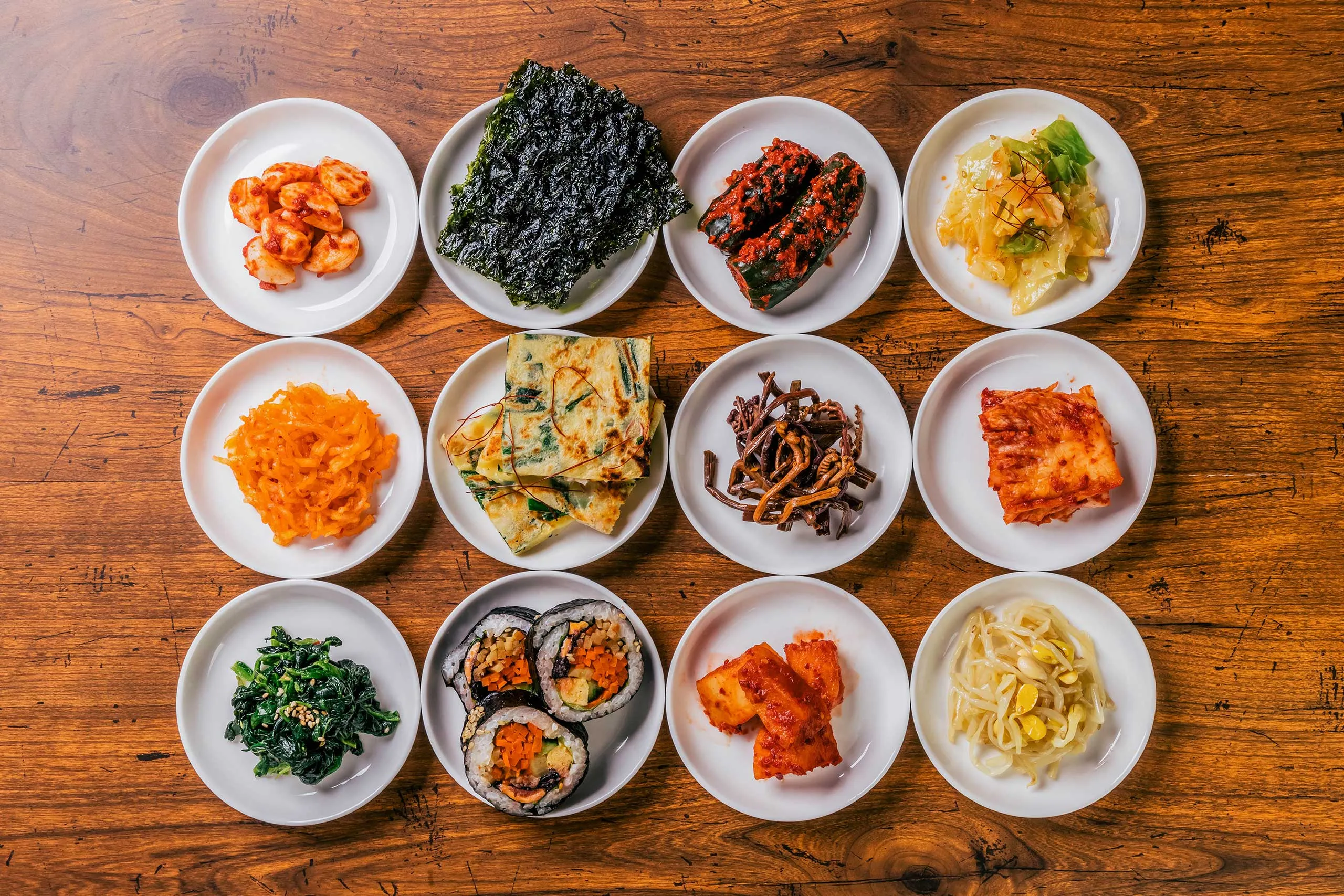
Korean cuisine has captured the hearts and taste buds of Chicago home cooks everywhere, and at the center of this culinary revolution are three essential fermented pastes: gochujang, doenjang, and ssamjang. These umami-rich condiments are the backbone of authentic Korean cooking, bringing centuries of fermentation tradition to your kitchen table. Whether you're shopping at Jewel-Osco's international aisles or exploring Chicago's vibrant Korean markets, understanding these versatile pastes will elevate your home cooking and help you save money while maintaining authentic flavors.
If you're new to Korean cooking, start by downloading the Jewel Osco Coupon Clipper browser extension to automatically find the best deals on international ingredients and pantry staples that complement Korean cooking. This powerful tool can help you save 20-30% on your grocery bill while building your Korean pantry.
Understanding Korean Fermentation: The Foundation of Flavor
Korean fermented pastes represent thousands of years of culinary wisdom, transforming simple ingredients into complex flavor powerhouses through careful fermentation. These pastes aren't just condiments—they're the foundation of Korean cooking, providing the deep, savory base notes that make Korean dishes so addictively delicious.
The fermentation process creates beneficial probiotics, breaks down proteins for easier digestion, and develops the signature umami taste that makes Korean food so satisfying. For Chicago families interested in both health and budget-conscious cooking, these pastes offer incredible value—a little goes a long way, and they keep for months in your refrigerator.
Gochujang: The Sweet Heat Superstar
What It Is: Gochujang is a thick, deep red paste made from Korean red pepper flakes (gochugaru), fermented soybeans, glutinous rice, and salt. It's sweet, spicy, and deeply savory with a complex flavor that builds rather than burns.
Flavor Profile: Think of gochujang as the perfect balance of sweet, spicy, and umami. It's less aggressive than sriracha but more complex than ketchup, with a heat level that enhances rather than overwhelms other flavors.
Essential Uses:
- Bibimbap sauce: Mix with sesame oil and rice vinegar
- Korean BBQ marinades: Essential for bulgogi and galbi
- Stir-fry base: Adds instant Korean flavor to vegetables and tofu
- Fusion cooking: Amazing in pasta sauces, pizza bases, and even mayo-based dips
Shopping Strategy: At Jewel-Osco, look for CJ Haechandle or Annie Chun's brands in the international aisle. For authentic options, visit Korean markets in Lincolnwood and Niles where you'll find premium brands like Sempio or Wang for $3-5 per container.
Storage Tip: After opening, gochujang keeps in the refrigerator for up to a year. The fermentation actually continues slowly, developing even deeper flavors over time.
Doenjang: Korea's Liquid Gold
What It Is: Often called Korean miso, doenjang is a thick brown paste made from fermented soybeans. It's saltier and more pungent than Japanese miso, with an intense, earthy flavor that forms the backbone of many Korean dishes.
Flavor Profile: Deeply savory and slightly funky, doenjang provides the umami foundation for soups, stews, and marinades. It's the secret ingredient that makes Korean comfort food so satisfying.
Essential Uses:
- Doenjang jjigae: The classic Korean soybean paste stew
- Vegetable dipping sauce: Mixed with sesame oil and green onions
- Marinade base: Tenderizes meat while adding deep flavor
- Soup stock: Adds instant depth to any broth
Budget-Friendly Recipe: For families watching their grocery budget, doenjang jjigae is a perfect example of how Korean cooking maximizes flavor while minimizing cost. With just doenjang, tofu, onions, and whatever vegetables you have on hand, you can create a hearty, protein-rich meal for under $5 that feeds four people.
Where to Find: Look for doenjang at the Albany Park markets or check Jewel-Osco's expanding Korean selection. Quality ranges from $4-8, and a single container will last months of regular cooking.
Ssamjang: The Perfect Blend
What It Is: Ssamjang is the newcomer-friendly paste, combining doenjang and gochujang with garlic, onions, and sesame oil. It's specifically designed for Korean BBQ lettuce wraps (ssam) but works as an all-purpose Korean condiment.
Flavor Profile: Balanced and approachable, ssamjang offers the best of both worlds—the heat from gochujang tempered by the earthiness of doenjang, with fresh aromatics brightening the mixture.
Essential Uses:
- Korean BBQ dipping sauce: The traditional accompaniment to grilled meats
- Vegetable dip: Great with fresh cucumber, radish, or cabbage
- Sandwich spread: Transforms ordinary sandwiches with Korean flavors
- Rice bowl topper: Instant flavor for simple rice and vegetable meals
DIY Option: Save money by making your own ssamjang! Mix 2 tablespoons doenjang, 1 tablespoon gochujang, 1 minced garlic clove, 1 teaspoon sesame oil, and 1 chopped green onion. This homemade version costs about half the price of store-bought and tastes fresher.
Health Benefits and Nutritional Value
Korean fermented pastes offer impressive health benefits that make them valuable additions to any family's diet:
Probiotic Power: The fermentation process creates beneficial bacteria that support digestive health and immune function—similar benefits to expensive probiotic supplements but at a fraction of the cost.
Protein Content: These pastes are surprisingly protein-rich, making them excellent for vegetarian families or anyone looking to boost protein intake affordably.
Low Sodium Alternatives: While these pastes are salty, they're actually lower in sodium than many Western condiments when you consider flavor impact per serving.
Antioxidant Benefits: The red peppers in gochujang provide vitamin C and capsaicin, known for metabolism-boosting properties.
Shopping Strategy: Jewel-Osco vs. Korean Markets
Jewel-Osco Advantages:
- Convenient one-stop shopping with your regular groceries
- Often featured in Asian heritage month promotions
- Accepts manufacturer coupons and store promotions
- Consistent availability of mainstream brands
Korean Market Advantages:
- Authentic brands with superior flavor profiles
- Bulk sizes that offer better per-ounce value
- Seasonal specialties and limited-edition flavors
- Fresher inventory due to higher turnover
Money-Saving Strategy: Use the Jewel Osco Coupon Clipper to track when international ingredients go on sale at mainstream stores, then stock up. Combine this with occasional trips to specialty markets for authentic varieties you can't find elsewhere.
Building Your Korean Pantry on a Budget
Start with these three essential pastes, then gradually expand your collection:
Phase 1 ($15-20 investment):
- One container each of gochujang, doenjang, and ssamjang
- These basics will enable dozens of Korean dishes
Phase 2 ($10-15 additional):
- Korean soy sauce (different from Chinese varieties)
- Sesame oil
- Rice vinegar
Phase 3 ($20-30 additional):
- Gochugaru (Korean red pepper flakes)
- Mirin or cooking wine
- Korean brands for upgraded flavor
Pro Tip: Many ingredients like garlic, onions, scallions, and sesame seeds are cheaper at regular supermarkets. Focus your specialty shopping on items unique to Korean cuisine while using multicultural shopping strategies for common ingredients.
Recipe Ideas: Maximizing Your Investment
5-Minute Gochujang Noodles (serves 2, under $3):
- 2 packs instant ramen (discard seasoning packets)
- 2 tablespoons gochujang
- 1 tablespoon soy sauce
- 1 teaspoon sesame oil
- 1 green onion, chopped
- 1 egg per serving
Budget Doenjang Soup (serves 4, under $5):
- 4 cups water
- 3 tablespoons doenjang
- 1 block tofu, cubed
- 1 onion, sliced
- 2 cups any vegetables on sale
- 1 tablespoon sesame oil
Storage and Shelf Life
Refrigerator Storage: All three pastes should be refrigerated after opening. Use clean utensils to prevent contamination, and they'll maintain quality for 6-12 months.
Pantry Storage: Unopened containers can be stored in a cool, dry place for 1-2 years. Check expiration dates, but these fermented products are quite stable.
Signs of Quality: Good Korean pastes should have consistent color, no separation or mold, and maintain their characteristic aroma. Avoid containers with rust on the lids or unusual discoloration.
Cultural Significance and Respect
Understanding these pastes connects you to centuries of Korean culinary tradition. In Korean culture, the quality of a family's fermented pastes was a source of pride, with recipes passed down through generations. Many Korean families still make their own pastes in large batches during specific seasons.
When shopping for Korean ingredients, remember that you're participating in a global food culture. Supporting Korean-owned businesses when possible helps maintain authentic food traditions in Chicago's diverse communities.
Fusion and Modern Applications
Korean-Mexican Fusion: Use gochujang in taco seasonings or ssamjang as a unique sandwich spread. The Pilsen community has embraced Korean-Mexican fusion with amazing results.
Korean-Italian: Gochujang in pasta sauces creates incredible depth. Try it in carbonara or as a pizza sauce base.
Korean-American BBQ: These pastes work beautifully with American grilling traditions. Use them to marinate chicken, pork, or beef for backyard barbecues with an international twist.
Brand Recommendations by Price Point
Budget-Friendly ($3-5):
- Annie Chun's (widely available at Jewel-Osco)
- Roland (good starter option)
Mid-Range ($5-8):
- CJ Haechandle (excellent quality-to-price ratio)
- Sempio (reliable Korean brand)
Premium ($8-12):
- Wang (traditional preparation methods)
- Chungjungone (artisanal quality)
Seasonal Shopping and Sales
Best Times to Buy:
- February: Asian Heritage Month sales
- May: Korean cultural festival season promotions
- September: Back-to-school international food sales
- November: Holiday cooking ingredient sales
Track these patterns using the Jewel Osco Coupon Clipper to automatically catch these seasonal deals and build your Korean pantry affordably.
Getting Started: Your First Korean Meal
If you're new to Korean cooking, start with bibimbap—Korea's famous mixed rice bowl. This dish showcases all three pastes while allowing you to use whatever vegetables are on sale:
- Base: Cooked rice topped with sautéed vegetables
- Protein: Fried egg, leftover meat, or tofu
- Sauce: Mix gochujang with sesame oil and a splash of rice vinegar
- Garnish: Sesame seeds and green onions
This single dish demonstrates how Korean pastes transform simple, affordable ingredients into something spectacular. The total cost per serving is under $3, yet the flavors rival expensive restaurant dishes.
Conclusion: Your Gateway to Korean Cooking
Gochujang, doenjang, and ssamjang are more than condiments—they're your gateway to an entire culinary tradition that emphasizes bold flavors, healthy fermentation, and resourceful cooking. By understanding these three essential pastes, you'll be able to create authentic Korean dishes at home while maintaining your grocery budget.
Whether you're shopping the international aisles at Jewel-Osco or exploring Chicago's Korean community markets, these pastes represent one of the best flavor investments you can make for your kitchen. Start with one or two containers, experiment with simple recipes, and watch as these ancient fermented treasures transform your everyday cooking into something extraordinary.
Remember to download the Jewel Osco Coupon Clipper to maximize your savings on Korean ingredients and complementary items. With the right tools and knowledge, building an authentic Korean pantry becomes both affordable and deeply rewarding.
Ready to explore more Korean cooking? Check out our guide to Korean grocery shopping in Lincolnwood and Niles for the best authentic ingredients in Chicagoland.